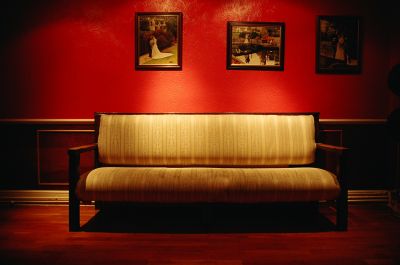
An antique yellow couch in a red room This article was updated on 07/23/20.
Read on for a step by step guide for the do-it-yourselfer on repairing and refinishing antique or collectible vintage furniture. This guide focuses on finishes, joinery techniques, and using hide glue.
A similar restoration topic that’s been popular recently is
restoring vintage kitchen cabinets. Many people use cold winter months for these interior chores. In fact, any time of year is ripe for renovation projects.
Antique Furniture is Just Built Better
Today, mass produced furniture made of particle board and veneer is everywhere. It’s cheap and has a short life span compared to older pieces. It’s nice to acquire hardwood antique furniture, especially if it has been handed down through the generations, giving it sentimental value as well as monetary value.
What constitutes an antique? As defined by the TV show Antiques Roadshow, it’s “an object of considerable age valued for its aesthetic or historical significance. In the antiques trade, the term refers to objects more than 100 years old.”
For someone lucky enough to have a piece or two of valuable furnishings, but could use a face lift or structural repair, there are several things to keep in mind. This article spells them out for you.
Keep Vintage Furniture Antique, Officially
Before rolling up your sleeves, the primary consideration is this: “Exactly how much restoration am I going for here?” The main reason to follow the rules with antique furniture refinishing and repair is that the key to keeping the antique designation and its monetary value is not altering the original materials like the type of glue.
For example, imagine that a chair’s legs have loosened up and need to be tightened up. You absolutely may not use the modern powerful wood glues such as Gorilla Grip. The piece will lose its antique status. More on that later.
First, A Thorough Furniture Cleaning
The initial step to take in the restorative process is a thorough cleaning. You need to know what you've got to work with. Here is what you will need:
High quality wood cleaner/dewaxer. Read the instructions to ensure it’s appropriate for your piece.
Soft cleaning cloths
A Toothbrush
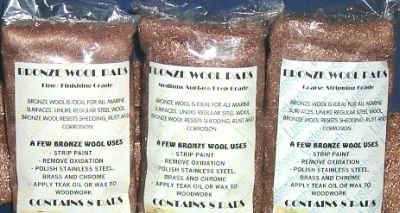
A bag of #0000 steel or bronze wool
A sharpened 1/4” dowel, if there is carving or crevasses. Hint: there should be a setting for this on your pencil sharpener.
The Cleaning Procedure
Begin with a light cleaning to remove wax, grime, and dust. Use a steel or bronze wool pad very lightly if needed on stubborn areas, but not to the extent that it is noticeably
different in adjacent areas.
Understand that some antiques have a painted finish, similar to a stain, to make the grain more pronounced. Obviously, you don”t want to use steel wool there. Instead, use the toothbrush. Furniture sometimes features intricate carving. Begin by cleaning the low spots with the toothbrush. Gently massage the deeper areas with your pointed dowel when necessary.
How Does the Finish Look After the First Step?
Conduct an examination when you”re finished with the cleaning. Is it acceptable? Remember that it”s an antique and should have that look.
In other words, when the finish isn”t too bad, stop. Some tiny defects add character. Many times, vintage finishes achieve a cracked appearance, looking like crazed porcelain,
that”s part of aging. This is not a bad thing.
Antique Furniture Structural Repair
In the case of things like missing chair legs, that must be matched or replaced, if you aren”t a competent woodworker with wood shop equipment, think seriously about taking that work to a nearby cabinet shop.
If it just has a case of the wobbles you can probably work it apart; it's loose already. The joint is probably mortise and tenon or tongue in groove in a leg. In a drawer, it might be a box (finger) or dovetail joint. Clean the mating surfaces well once the pieces are apart.
Use Hide Glue and Clamp
As mentioned above, you must duplicate the original glue. On true antiques, this is most likely “hide glue”. It's named that because because it is made from processed animal hides. Use this when reassembling the piece. It’s hard to find locally, but it is available online. The last time I checked Rockler carried it.
Although hide glue tends to be self-clamping once it starts to gel, it”s a good idea to use wood clamps anyway, just to be safe. This glue is still used to assemble wind instruments like violins because components can be taken apart without breaking the wood. Sometimes the old ways are the best; this is certainly true when restoring collectable and antique furniture.
Kelly R. Smith was a commercial carpenter for 20 years before returning to night school at the University of Houston where he earned a Bachelor’s Degree in Computer Science. After working at NASA for a few years, he went on to develop software for the transportation and financial and energy trading industries. He has been writing, in one capacity or another, since he could hold a pencil. As a freelance writer now, he specializes in producing articles and blog content for a variety of clients. His personal blog is at I Can Fix Up My Home Blog where he muses on many different topics.












 Kelly R. Smith was a commercial carpenter for 20 years before returning to night school at the University of Houston where he earned a Bachelor’s Degree in Computer Science. After working at NASA for a few years, he went on to develop software for the transportation and financial and energy trading industries. He has been writing, in one capacity or another, since he could hold a pencil. As a freelance writer now, he specializes in producing articles and blog content for a variety of clients. His personal blog is at